
ETR 407 debt collection refers to the collection of unpaid tolls and fees from Ontario drivers by Highway 407 ETR.
Ignoring these debts does not make them disappear. The collection of unpaid ETR 407 debt can escalate to licence plate denial, damaged credit, and potential legal action if left unpaid for a prolonged period of time.
The sooner you understand your options, the more choices you have.
In this article, we’ll walk through exactly what happens when you don’t pay, what a 407 payment plan looks like, and what formal debt relief options exist if the balance has grown beyond what a simple payment arrangement can fix.
Are You Overwhelmed by Multiple Debts?
Get Help From Your Local 4 Pillars Debt Advocate Today
What Is ETR 407 Debt and Why Do People End Up Owing Money?
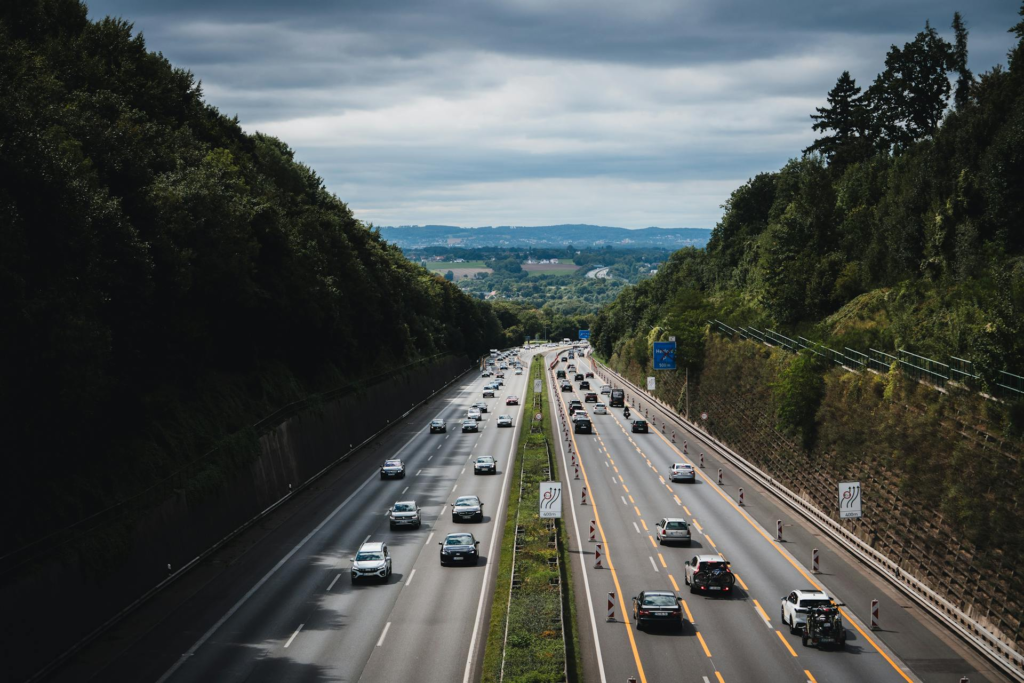
The 407 Express Toll Route is a fully electronic toll highway that charges based on distance travelled, time of day, and your vehicle class. There is no option to pay ahead, the system reads your transponder or photographs your licence plate and bills you after the fact.
A typical month of daily 407 commuting might generate hundreds of dollars in tolls alone. Add in:
- Administrative fees for late payments
- Video billing fees if you don’t have a transponder
- Interest charges on outstanding balances
- Paperless billing charges if you opt for mailed statements
A $200 balance left unpaid for six months can balloon to $400 or more once fees and interest are applied.
For low-income commuters who travel on the 407 for work, this can create a harmful cycle: the road that gets them to work becomes the debt that threatens their financial stability.
Who Is ETR 407 and Can They Actually Collect?
ETR 407 is a privately operated toll highway in Ontario, owned by a group of private investors. Unlike government debt such as CRA tax arrears, ETR 407 debt is different. ETR 407 does not have the same collection powers as a government creditor.
However, ETR 407 still has ways to collect. They typically use collection agencies and, most importantly, can request that the Ministry of Transportation block your licence plate renewal until the debt is resolved.
Under Ontario’s Highway 407 Act, ETR 407 is legally entitled to notify the Ministry of Transportation (MTO) to deny plate sticker renewal for any registered owner who has an outstanding balance.
What Happens When You Ignore 407 ETR Debt Collection?
Step 1: Missed Bills and Growing Fees
In the early stages, missed bills result in growing late payment fees and compounding interest. Many people underestimate how quickly a relatively small balance grows once fees begin stacking. A balance that felt manageable at $300 can become $600 within a year without a single new trip on the highway.
Step 2: Account Sent to Collections
After a period of non-payment, ETR 407 will first attempt internal collection through calls, letters, and notices. If those efforts are unsuccessful, the account may be assigned or sold to a third-party debt collection agency.
Once an account enters collections, it is reported to Canada’s credit bureaus (Equifax and TransUnion). Collection actions on your credit report can significantly lower your credit score and make it harder to access new credit, loans, or even rental housing.
Step 3: Licence Plate Denial
Under the Highway 407 Act, ETR 407 can direct the Ministry of Transportation to deny the renewal of licence plate stickers for any registered owner with an outstanding 407 balance.
This means that:
- You cannot legally renew your vehicle registration
- Driving with an expired plate sticker puts you at risk of fines
- You may not be able to sell or transfer the vehicle until the debt is resolved
- The plate denial follows the plate (not just the registered owner)
By this stage, the fees and interest would have grown substantially. That’s why it’s important to take action against ETR 407 debt before the situation escalates. It’s better to repay a principal amount of $200 early on than wait until license plate denial happens, and the debt has grown to over $500.
Step 4: Credit Bureau Reporting
If the debt has been sent to a collection agency, it will appear on your credit report as a collections account. In Ontario, collections remain on your credit report for six years from the date of last activity.
ETR 407 collections on your credit report can affect your ability to:
- Qualify for a mortgage or auto loan
- Rent an apartment
- Acquire new credit cards at reasonable interest rates
- Pass credit checks required by some employers
Step 5: Potential Legal Action
For larger balances, ETR 407 — or a collections agency who has purchased the account — may pursue civil legal action.
In Ontario, claims under $35,000 can be filed in Small Claims Court.
If the creditor obtains a court judgment against you, they may be able to take additional collection actions, including wage garnishment. In Ontario, creditors generally have two years from the date you last acknowledged the debt or made a payment to start legal action to collect the debt.
You can learn more about this in our blog: The Statute of Limitations on Debt in Ontario

Can You Negotiate a 407 Payment Plan Directly?
Yes, ETR 407 does offer direct payment arrangements in some cases. However, these arrangements have limitations and may not be suitable for everyone.
What ETR 407 Offers Directly
If you contact ETR 407 proactively, you may be able to arrange:
- Installment payment plans to pay off the outstanding balance over time
- Hardship considerations in limited circumstances
- Negotiated lump-sum settlements (less common, not guaranteed)
Key limitations of a direct payment plan:
- ETR 407 is not obligated to reduce the principal balance owed
- Interest and fees may continue to accrue during a payment arrangement
- The plan does not provide formal legal protection from collections activity
- Licence plate denial can remain in place until the balance is paid in full
When a Direct Payment Plan Isn’t Enough
Generally, it’s better to negotiate a direct payment plan with ETR 407 when the balance is small and you can reasonably pay it off.
If your 407 ETR debt is one of several debts you’re managing, alongside credit cards, payday loans, medical bills, or other collections, a direct payment plan will not adequately solve your financial situation. If the debt you have goes beyond your means, it’s likely time to take more drastic measures.
Formal Debt Relief Options If You Owe Money to ETR 407
ETR 407 debt is classified as unsecured debt. Unsecured debt can be included in formal insolvency proceedings under Canada’s federal Bankruptcy and Insolvency Act (BIA). Here is a side-by-side comparison of your formal debt relief options:
| Option | Reduces Debt? | Stops Collections? | Affects Credit? | Best For |
|---|---|---|---|---|
| Direct Payment Plan (407) | ✗ No | Partial | Minor | Small balances |
| Debt Consolidation Loan | ✗ No | ✓ Yes | Moderate | Good credit, manageable debt |
| Consumer Proposal | ✓ Yes (up to 80%) | ✓ Yes | R7 (3 years after completion) | Overwhelmed debtor |
| Bankruptcy | ✓ Yes | ✓ Yes | R9 (6–7 years) | Severe financial hardship |
How 4 Pillars Can Help With ETR 407 Debt
At 4 Pillars, we work as debt relief advocates, not insolvency trustees. This makes a difference because insolvency trustees are obligated to fairly represent both the debtor and their creditors. As debt advocates, we’re only on one person’s side throughout the process, yours.
Here’s how we can help:
- We review your complete financial picture, not just the 407 balance, but all of your debts, income, and expenses
- We explain all of your available options in plain language, without pressure or judgment
- If a consumer proposal or bankruptcy is the right path, we connect you with a Licensed Insolvency Trustee who files on your behalf
- We advocate for you throughout the process and help you rebuild financially afterward
We offer a free, no-obligation debt assessment to help you understand where you stand and what your next steps might be.
Frequently Asked Questions About ETR 407 Debt
Can ETR 407 garnish my wages?
Yes, potentially, but not in the same way as government creditors like the CRA. The CRA can garnish wages automatically without obtaining a court order. For ETR 407 debt, a civil court judgement is required before they can garnish wages.
The best way to prevent this is to address the debt before legal proceedings begin.
Will a consumer proposal stop ETR 407 from denying my licence plate?
In most cases, yes. When a consumer proposal is filed, a Stay of Proceedings takes effect immediately. This stay halts all collection activity by unsecured creditors, which may include the licence plate denial under the Highway 407 Act. You should speak with a Licensed Insolvency Trustee to confirm how this applies to your specific situation.
What happens if I sell my car but still owe ETR 407?
The licence plate denial under the Highway 407 Act follows the licence plate, not the individual owner. This means that if you sell a vehicle but the registered plate has a denial in place, the denial will affect the transfer and registration of the vehicle.
This can complicate private vehicle sales if the outstanding balance is not resolved prior to the transaction. If you are planning to sell a vehicle, it is advisable to resolve any 407 debt first.
