
The short answer is: yes, you can pay off a credit card with another credit card, but not in the way you might hope.
If you’re searching for this answer, it’s worth saying plainly: you’re not alone, and asking the question is a smart first step. Thousands of Canadians find themselves juggling credit card balances, looking for a way out. Sometimes a balance transfer genuinely helps. Other times, it’s a sign that deeper debt relief options deserve a closer look.
4 Pillars has helped thousands of Canadians navigate credit card debt and find a path forward. If you’re not sure where to start, a free, confidential assessment with a 4 Pillars debt specialist can help you understand all your options — with no pressure and no judgment.
The Short Answer: You Can’t Pay a Credit Card Directly with Another Credit Card
When you make a credit card payment in Canada, whether it be through your bank’s website, app, or a cheque, you’re making a payment from a bank account.
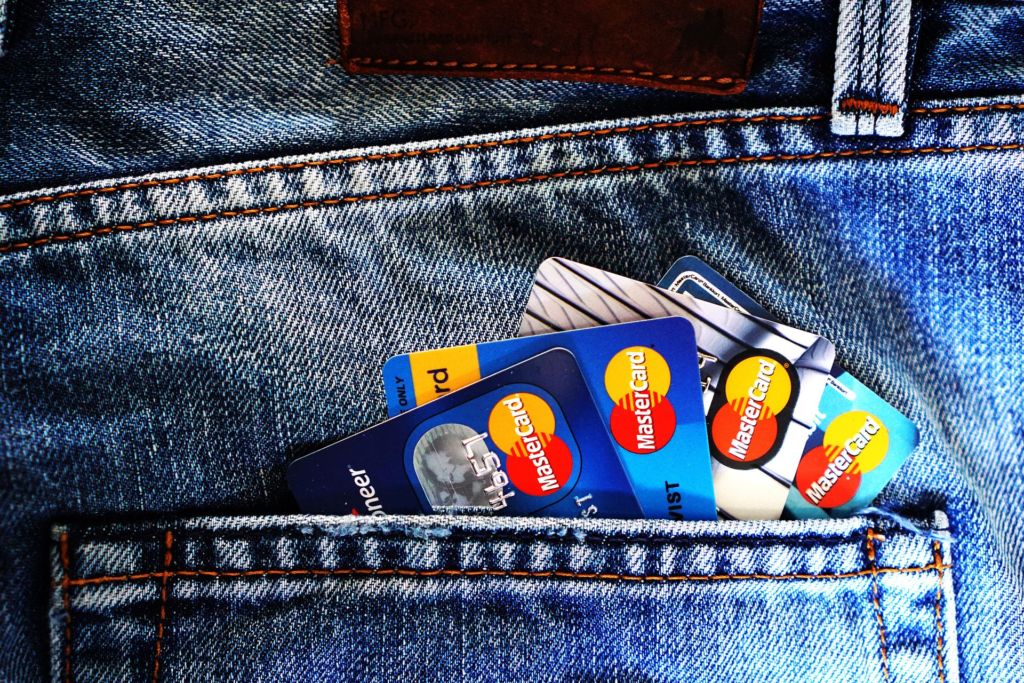
Credit card issuers like RBC, TD, CIBC, Scotiabank, and BMO do not accept another credit card as a payment source.
That said, there are two workarounds for managing debt between cards:
- Balance transfers: Moving a balance from one card to a new card, ideally at a lower promotional rate.
- Cash advances: Withdrawing cash from a credit card and using it to pay another card’s minimum.
Both options can work, but come with costs. And it’s important to note that neither reduces the amount you owe, they just relocate it.

Two Ways People Try to Use One Credit Card to Pay Another
Option 1: Balance Transfers
A balance transfer lets you move an existing credit card balance to a new card. Ideally, the new card should offer a low or 0% promotional interest rate for a set period. It’s the closest thing to legitimately “paying” one card with another.
How a balance transfer works in Canada:
- Apply for a credit card that offers a promotional balance transfer rate (many Canadian banks offer these).
- During the application or shortly after approval, request a balance transfer for the amount you want to move.
- The new card issuer pays your old card directly — you don’t handle the money.
- You now owe the new card, ideally at a much lower interest rate for the promotional period.
What to know before you apply:
- Most promotional periods last 6 to 12 months in Canada, after which the standard rate (~19.99%+) kicks in.
- Most balance transfer offers come with a transfer fee of 1–3% of the amount moved.
- You need a decent credit score (650+) to qualify for a new card.
- The biggest trap: spending on your old card again after the transfer, leaving you with two balances instead of one.
Final thoughts: A balance transfer can be a strategic move, but it requires discipline. The debt isn’t gone even if it feels like it is. If the balance isn’t paid off before the promo period ends, interest charges resume and the debt can get even worse if not managed effectively post-transfer.
Option 2: Cash Advances
A cash advance lets you withdraw cash from your credit card at an ATM or bank branch. Some people use this cash to cover the minimum payment on another card.
This is almost always a bad idea, here’s why:
- Higher interest rate: Cash advances in Canada carry rates of 21-23%, often higher than the purchase rate.
- No grace period: Interest starts accruing the moment you take the advance, unlike purchases, where you have a grace period if you pay in full.
- Cash advance fees: Most issuers charge a flat fee (~$5-10) or a percentage of the advance, whichever is greater.
- It’s a debt spiral: Using high-interest debt to pay minimum payments on other high-interest debt is a cycle that compounds quickly.
If you’re regularly taking cash advances to stay afloat on other cards, you’re not managing your debt, you’re making it worse. What you’re really doing is creating an endless debt cycle, accumulating new debt to pay old debts.
Why These Options Often Make Things Worse
The most important thing to understand about both balance transfers and cash advances: the debt doesn’t disappear. It moves.
Many Canadians feel a wave of relief after a balance transfer: a lower rate, a single payment, a fresh start. But unless the balance is aggressively paid down during the promotional period, the relief is only temporary.
Here’s a real numbers example:
| Scenario | $10,000 at 19.99% | Transferred to 0% (6 months) |
|---|---|---|
| Monthly payment (minimum) | ~$200 | ~$200 |
| Interest paid (6 months) | ~$990 | $0 |
| Balance at month 7 | ~$9,790 | ~$8,800 — now at 19.99%+ |
| Total interest over 12 months | ~$1,900 | ~$990 (months 7–12) |
When Balance Transfers Make Sense (And When They Don’t)
| Your Situation | Balance Transfer a Good Fit? |
|---|---|
| You have good credit (650+) and a realistic payoff plan | ✅ Possibly — if you can pay off within the promo period |
| You’re carrying $2,000–$5,000 in total debt | ✅ Maybe — manageable with discipline |
| You’re carrying $10,000+ across multiple cards | ❌ Unlikely to solve the problem on its own |
| You’ve already been declined for new credit | ❌ No — you likely won’t qualify |
| You’re only making minimum payments and can’t pay more | ⚠️ Risky — you need a clear payoff plan first |
| You’re using credit to cover rent, groceries, or utilities | ❌ No — this signals a deeper debt crisis |
Signs You Need More Than a Balance Transfer
- You’ve done a balance transfer before and still ended up back in the same amount of debt or more
- You’re using credit cards for groceries, utilities, or rent on a regular basis
- You’re only making minimum payments and the balances don’t seem to move
- You’ve received calls from collections agencies
- You’re losing sleep over your finances, or debt is affecting your relationships or mental health
- You’ve been declined for new credit, consolidation loans, or new balance transfer cards
4 Pillars offers free, confidential debt assessments for Canadians across the country. A specialist will help you understand exactly what options are available for your situation — no pressure, no judgment.
Real Debt Relief Options for Canadians
A balance transfer may not erase your debt or ease you of your financial obligations, but there are many other options available that can do more to help.
- Debt Consolidation Loan: A debt consolidation loan combines multiple debts into one monthly payment, ideally at a lower interest rate. It’s offered by banks, credit unions, and online lenders and generally requires good credit to qualify.
- Consumer Proposal: A consumer proposal is a legal agreement filed through a Licensed Insolvency Trustee that reduces your total debt, often to 20–50% of what you owe, paid over up to five years.
- Bankruptcy: Bankruptcy is a legal process that discharges most unsecured debts, but has significant long-term credit impacts. It may involve asset surrender depending on your situation.
- Debt Management Plan (DMP): A Debt Management Plan is arranged through a non-profit credit counselling agency and consolidates debts into one monthly payment, often with reduced or eliminated interest. Typically requires full repayment of the principal.
Not sure which path is right for you?
Book a free debt assessment with 4 Pillars. We’ll help you understand your options — no judgment, no pressure, no obligation.
Frequently Asked Questions
Can I use a credit card to pay another credit card in Canada?
Not directly. Canadian credit card issuers don’t accept credit cards as a payment method.
However, you can use a balance transfer to move debt from one card to another at a lower promotional rate, or take a cash advance — though both come with fees and risks.
Is a balance transfer worth it in Canada?
It can be, if you qualify for a low promotional rate and have a realistic plan to pay off the balance before the promotional period ends. It’s less effective if your total debt is high, your credit score is low, or you’re only able to make minimum payments. Used strategically, it buys time. Used without a plan, it delays the inevitable.
Does a balance transfer hurt your credit score in Canada?
Applying for a new credit card to do a balance transfer results in a hard inquiry, which can temporarily lower your score by a small amount. Closing old accounts after the transfer can also affect your credit utilization ratio. The long-term impact depends on how you manage the new account — paying it down consistently generally helps your score over time.
